
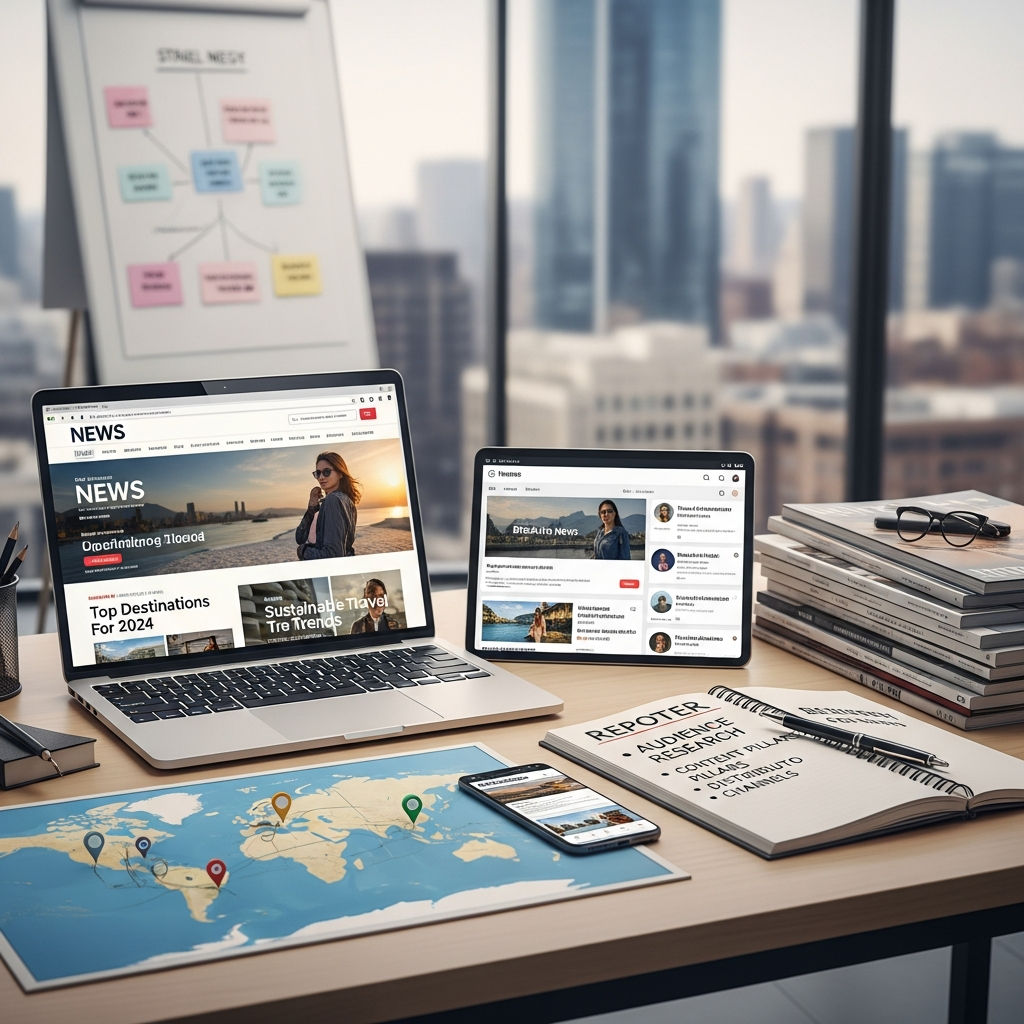
How to Build a Powerful Travel News Strategy
In the dynamic world of travel, staying informed and keeping your audience engaged is not just an advantage – it’s a necessity. From sudden changes in travel advisories and emerging destinations to innovative travel technologies and shifting consumer preferences, the travel landscape is in constant flux. Building a powerful travel news strategy allows your brand, be it a travel agency, media outlet, or hospitality provider, to cut through the noise, establish authority, foster community, and ultimately drive business growth. This comprehensive guide will walk you through the essential steps to develop and execute a travel news strategy that truly resonates.
Understanding Your Audience and Niche
Before you even think about content, you must clearly define who you’re trying to reach. A powerful travel news strategy starts with a deep understanding of your target audience. Who are they? What are their travel aspirations and concerns? What kind of travel news truly matters to them?
- Demographics: Consider age, income level, location, and family status. Are you targeting millennials seeking adventure, luxury travelers, budget backpackers, or families planning their next vacation?
- Psychographics: Delve into their motivations, interests, pain points, and travel styles. Do they prioritize sustainability, cultural immersion, relaxation, or adrenaline-pumping activities?
- Information Needs: What specific travel news do they actively seek? This could range from flight deals and visa changes to destination-specific safety updates, eco-tourism initiatives, or new resort openings.
- Niche Definition: Based on your audience, refine your niche. Are you the go-to source for sustainable travel news, luxury cruise updates, budget backpacking tips, or family-friendly destination alerts? A focused niche allows for more targeted and impactful content.
Pillars of Content Sourcing and Curation
Once you know who you’re talking to, the next step is identifying where to gather valuable, relevant news and how to present it. A robust travel news strategy relies on a multi-faceted approach to content sourcing.
- Official Sources: Prioritize credibility. Monitor national tourism boards, airline and hotel official press releases, government travel advisories (e.g., U.S. State Department, CDC), and global organizations like the UNWTO.
- Industry Publications: Stay abreast of broader industry trends and analysis by following leading travel trade publications such as Skift, Travel Weekly, Phocuswright, and various regional travel magazines.
- News Aggregators & Alerts: Leverage tools like Google Alerts, Feedly, and Twitter lists to monitor keywords, specific sources, and trending topics related to your niche. This helps you catch breaking news quickly.
- Social Media Monitoring: Observe relevant hashtags, influential travel accounts, and industry leaders on platforms like Twitter, Instagram, and LinkedIn. Social listening can uncover emerging trends and sentiment.
- Original Reporting & Interviews: To truly stand out, consider generating original news. This could involve interviewing local travel experts, destination managers, or industry innovators to provide unique insights and perspectives that your audience can’t find elsewhere.
- Data & Research: Analyze booking data, flight statistics, travel surveys, and economic reports to identify underlying trends and forecast future travel behaviors. Presenting data in an accessible way adds significant value.
- Curation vs. Creation: Balance sharing high-quality external news (curation) with creating your own original content (creation). When curating, always add your unique commentary, analysis, or a specific angle relevant to your audience.
Crafting Engaging Content Formats
The way you deliver your travel news is crucial for audience engagement. A powerful strategy employs a variety of formats to cater to different preferences and platforms.
- Short-Form Updates: Ideal for urgent news or quick snippets. Think Twitter threads, Instagram Stories, LinkedIn updates, or brief blog post alerts for breaking news like flight disruptions, new travel restrictions, or immediate deals.
- Long-Form Articles/Blog Posts: For in-depth analysis, trend reports, destination spotlights, “what it means for travelers” pieces, or guides based on new information. These are excellent for SEO and establishing authority.
- Newsletters: Curated weekly or monthly digests sent via email. These can include exclusive insights, a roundup of top news, and personalized recommendations, fostering direct communication with your audience.
- Video Content: Vlogs, explainer videos (e.g., how new visa policies work), interviews with experts, or visual tours of newly opened attractions. Video is highly engaging and performs well on many platforms.
- Infographics: Visually appealing ways to present complex data, statistics, or comparative information (e.g., “Travel Safety Scores by Region,” “Comparing New Airline Perks”).
- Podcasts: Audio news briefings, interviews with travel industry leaders, or discussions on emerging trends. Podcasts offer a convenient way for people to consume news on the go.
- Interactive Content: Quizzes (e.g., “Which New Travel Trend Should You Try?”), polls, or interactive maps that engage users directly and provide personalized value.
Distribution Channels: Reaching Your Audience
Even the most compelling news is useless if it doesn’t reach your target audience. A powerful travel news strategy utilizes multiple distribution channels, tailored to each platform’s nuances.
- Website/Blog: Your central hub for all news content. Ensure it’s SEO optimized with relevant keywords, clear navigation, and mobile responsiveness. Implement schema markup for news articles to enhance search visibility.
- Email Marketing: Segment your email lists to deliver personalized news digests or alerts. Use compelling subject lines and clear calls to action.
- Social Media: Adapt content for each platform. Use engaging visuals for Instagram, concise updates for Twitter, professional insights for LinkedIn, trending sounds for TikTok, and inspiring destination news for Pinterest. Utilize relevant hashtags effectively.
- PR & Media Outreach: For significant announcements or truly unique stories, reach out to traditional travel media outlets, journalists, and travel bloggers.
- Syndication & Partnerships: Explore opportunities to syndicate your news with other travel-related websites, news aggregators, or collaborate with complementary travel businesses.
- Paid Promotion: Consider targeted social media ads or search engine marketing (SEM) campaigns to boost reach for critical news or high-value content.
- Community Forums & Groups: Share relevant news in specialized online travel forums, Facebook groups, or Reddit communities where your target audience congregates, ensuring you adhere to group rules.
Key Elements of a Powerful Strategy
Beyond the operational steps, certain foundational principles make a travel news strategy truly powerful and impactful.
- Timeliness & Accuracy: In news, speed matters, but accuracy is paramount. Always verify sources and ensure your information is up-to-date and correct. Rapidly address any factual errors.
- Relevance & Value: Every piece of news should either inform, inspire, or solve a problem for your audience. Connect broad industry news to specific implications for your niche.
- Originality & Angle: Don’t just regurgitate news. Offer unique commentary, an original angle, local insights, or an expert opinion that differentiates your content.
- Consistency: Regular updates build trust and expectation. Establish a content calendar and stick to a consistent publishing schedule across your chosen channels.
- Branding & Voice: Maintain a consistent brand voice – whether it’s informative, adventurous, luxurious, or budget-friendly – across all your news output. This reinforces your brand identity.
- Call to Action (CTA): What do you want your audience to do after consuming your news? Encourage them to share, comment, subscribe, visit a destination page, or book a trip. Make CTAs clear and relevant.
- Crisis Communication Plan: Be prepared for unexpected events. Develop a clear strategy for communicating during travel disruptions, natural disasters, or global crises, providing responsible and helpful information.
Measuring Success and Adapting
A powerful travel news strategy is never static. It requires continuous measurement, analysis, and adaptation to remain effective in a constantly changing industry.
- Website Analytics: Monitor page views, unique visitors, bounce rate, time on page, and top-performing articles. Use tools like Google Analytics to understand content effectiveness.
- Engagement Metrics: Track social media likes, shares, comments, reach, and follower growth. For newsletters, analyze open rates, click-through rates, and unsubscribe rates.
- Conversion Rates: For business-focused news, track leads generated, inquiries, bookings, or subscriptions directly attributable to your news content.
- Audience Feedback: Pay attention to comments, direct messages, and conduct occasional surveys to understand what your audience enjoys and what they want more of.
- Competitor Analysis: Regularly review what your competitors are doing well, identify gaps in their coverage, and look for opportunities to innovate and differentiate.
- A/B Testing: Experiment with different headlines, content formats, visuals, distribution times, and CTAs to see what resonates most effectively with your audience.
- Stay Agile: The travel industry can shift overnight. Be prepared to pivot your strategy, update content, and address new realities swiftly and responsibly.
Conclusion
Building a powerful travel news strategy is an ongoing journey that demands dedication, insight, and adaptability. By understanding your audience, meticulously sourcing and curating content, presenting it in engaging formats, and distributing it effectively, you can transform your brand into a trusted voice in the travel space. Regularly measuring your efforts and being prepared to evolve ensures that your strategy remains relevant and impactful, helping you not only inform your audience but also inspire their next adventure and drive your business forward.